

A Strong Start to the Year
Private Communications has kicked off 2026 with a series of meaningful enhancements to Remote WorkForce, focused on improving performance, scalability, and day-to-day usability. The first quarter introduced foundational upgrades that not only improve the current experience but also position the platform for continued growth throughout the year.
These updates reflect a clear direction. Remote WorkForce is evolving into a faster, more flexible, and more integrated platform designed to meet the real-world needs of partners operating at scale.
A Faster, More Scalable Foundation
At the center of the Q1 release is a major framework upgrade to the Remote WorkForce portal. This enhancement significantly improves page load speeds and responsiveness across the platform.
For administrators managing large environments, the impact is immediate. Tasks that once required multiple seconds now complete more quickly and consistently. This not only improves efficiency but also reduces friction in daily workflows. More importantly, the updated framework provides the scalability needed to support future feature development without compromising performance.
Expanding Administrative Control
Organizations rarely operate with a single administrator. Recognizing this, Remote WorkForce now supports multiple administrators at every level, including Distributor, Service Provider, and Company.
This change allows partners to better align the platform with their internal structures. Responsibilities can be distributed across teams, improving both operational efficiency and security. It also reduces bottlenecks, ensuring that critical tasks are no longer dependent on a single individual.
Built-In Support When It Matters
To further streamline operations, Q1 introduced in-portal Product Support pages. These provide direct access to manuals and step-by-step guides within the platform itself.
Instead of navigating external documentation or support channels, users can now find answers exactly where they are working. This reduces downtime, accelerates onboarding, and helps teams make better use of the platform’s capabilities.
Global Flexibility with Currency Support
As Remote WorkForce continues to expand globally, currency flexibility has become increasingly important. The platform now supports multiple currencies, including USD, GBP, and EUR, along with a configurable “Other” option.
Distributors continue to be invoiced in USD, but they can now present pricing to Service Providers in local currencies. This improves transparency, simplifies communication, and enhances the experience for partners operating in international markets.
More Powerful Group and Access Management
Modern organizations are complex, and access control needs to reflect that reality. Remote WorkForce now allows both resources and users to belong to multiple groups.
This enhancement enables more granular permission models without requiring duplication or workarounds. Teams can structure access based on real organizational needs, whether that involves cross-functional roles, shared resources, or layered responsibilities.
Strengthening Network Resilience
Reliability remains a critical priority, and Q1 delivered important gateway enhancements to support more robust network configurations.
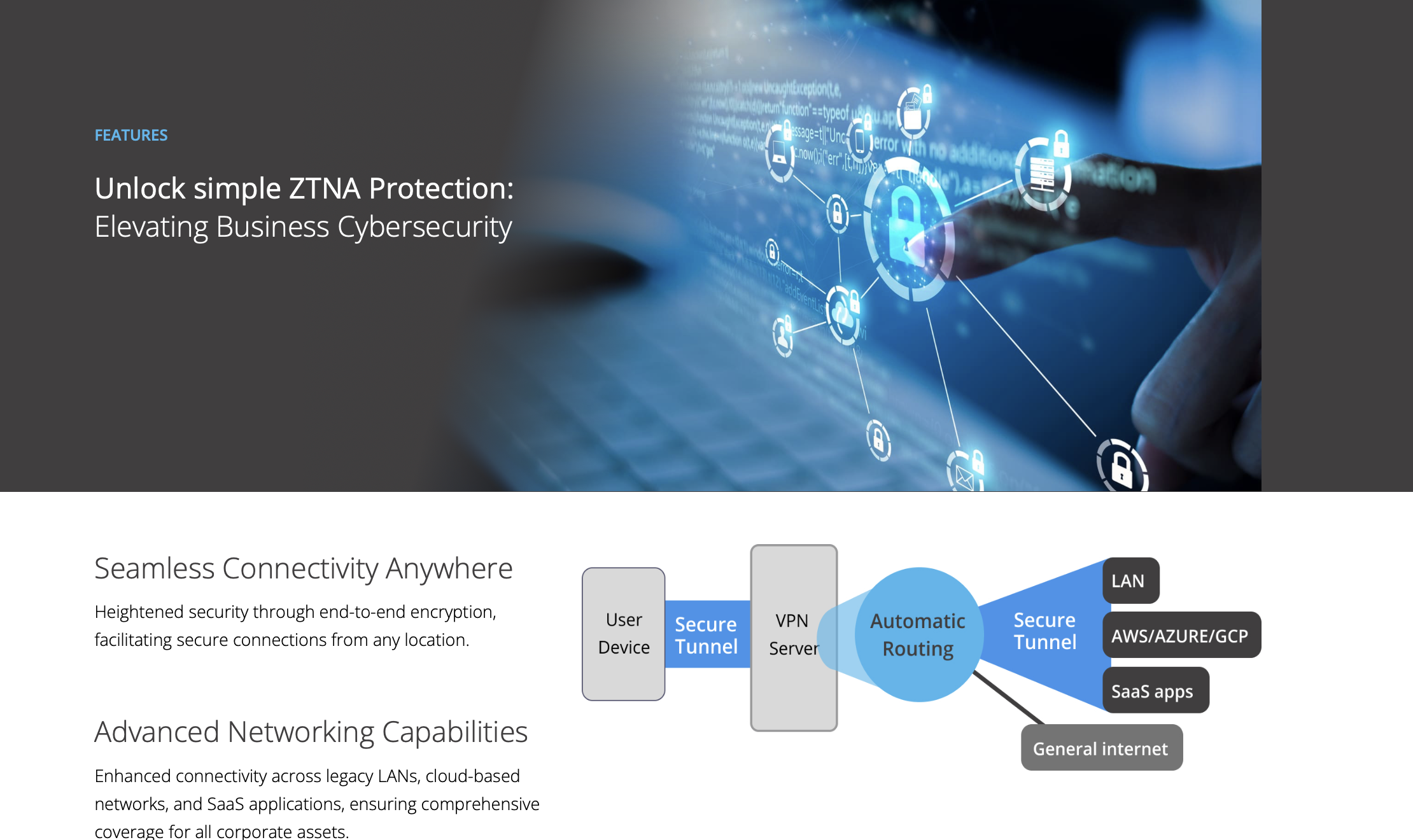
Partners can now configure multiple subnets and DNS settings, allowing for more flexible network design. In addition, primary and backup gateway failover ensures continuity in the event of an outage. If one gateway becomes unavailable, traffic can automatically shift to a backup, minimizing disruption for end users.
Looking Ahead: Q2 Innovations
The momentum continues into Q2, with a roadmap focused on deployment, integration, and security.
One of the most impactful upcoming features is RMM-friendly client deployment. This will allow partners to roll out Remote WorkForce at scale using their existing remote monitoring and management tools. Automated deployments will significantly reduce onboarding time and operational complexity.
Another key development is Entra ID integration. This will enable synchronization of users, groups, and memberships directly from Entra ID into Remote WorkForce. By aligning with modern identity management systems, this integration will simplify administration, reduce duplication, and strengthen security across environments.
A Platform Built for What Comes Next
The combined impact of Q1 deliveries and Q2 plans is clear. Remote WorkForce is becoming a platform designed to integrate seamlessly into partner workflows while scaling to meet growing demands.
Performance improvements make it faster. Administrative enhancements make it more flexible. Network upgrades make it more reliable. And upcoming integrations will make it easier to deploy and manage at scale.
For partners, this means less time managing complexity and more time focusing on delivering value.